Deciding where to start your college education is a big decision. Whether you are earning a degree, brushing up on career skills, or seeking life-long learning, you will enjoy an environment of inspiration and support. It is our goal to create an experience that will enrich your life educationally, professionally, and personally to help you succeed!
Why does emergency management exist?
- Because communities rely on preparation before crisis ever begins.
- Because complex problems require coordinated solutions.
- Because when disruption occurs, systems must function — not fail.
Emergency management exists to reduce risk, strengthen resilience, and ensure that when something goes wrong, there is a structured, coordinated response already in place. It is not about reacting to chaos. It is about building capability before chaos arrives.
The Emergency Management and Planning Program at Red Rocks Community College is built for individuals who believe preparation matters, coordination matters, and service to community matters. This program begins with that purpose. Everything else — the coursework, the skills, the certifications — builds from there.
Emergencies are evolving. The next generation of emergency management professionals must be prepared not only for traditional disasters, but for emerging and complex threats that cross operational, technological, and social boundaries.
Red Rocks Community College’s Emergency Management and Planning Program prepares students to coordinate, support, and respond across the full spectrum of modern crisis environments.
Every course in the Emergency Management and Planning Program is intentionally structured around core applied components that ensure students graduate with broad, integrated preparedness knowledge.
Each class includes:
1. Introduction to the Overarching Subject
Students begin with a structured foundation of the core topic — whether planning, logistics, communications, coordination, or policy — grounding theory in current doctrine and professional practice.
2. Wildland Fire Application
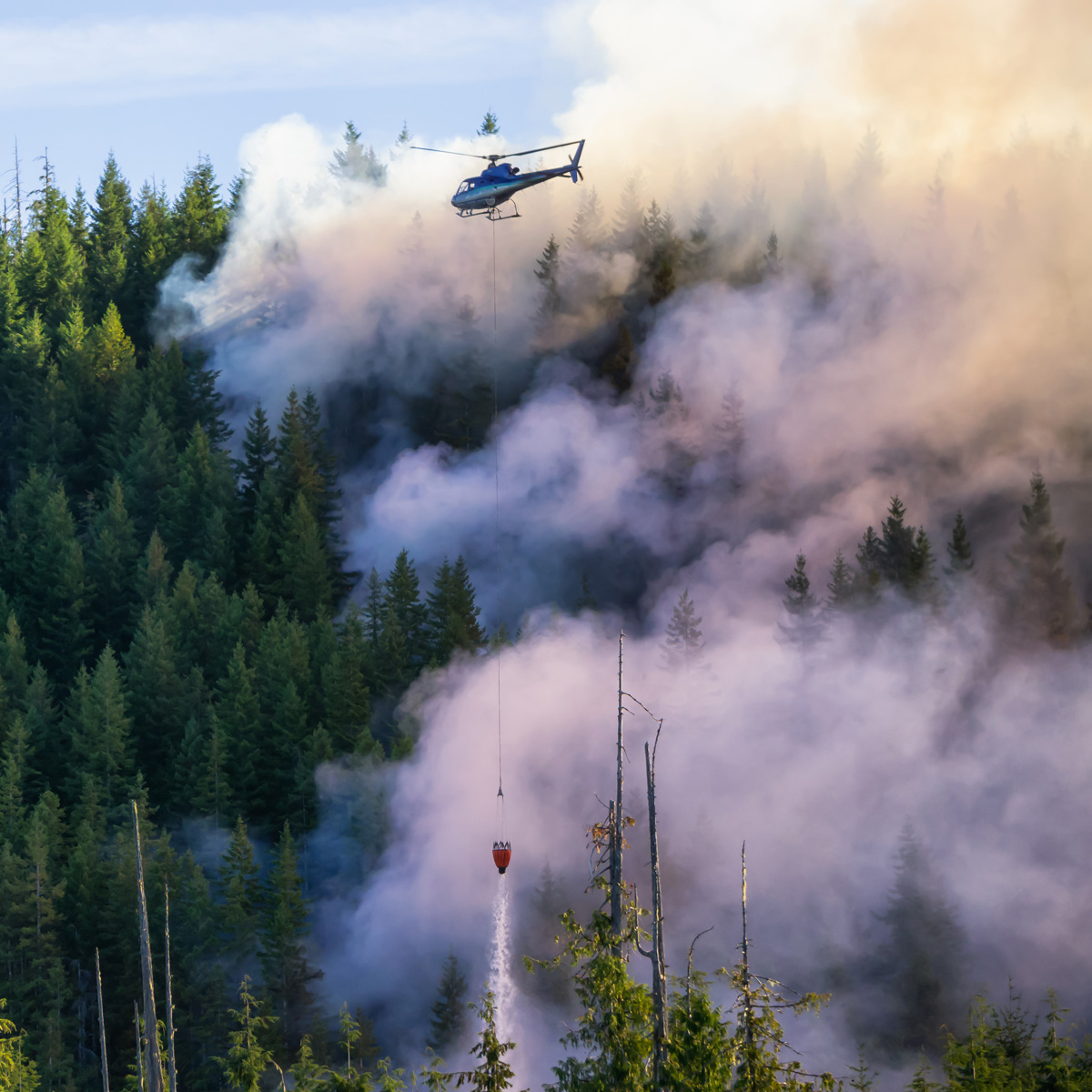
Colorado is a wildland-urban interface state. Students examine how the course subject applies to large-scale wildland fire incidents, including coordination, evacuation, logistics, and recovery.
3. Civil Unrest & Complex Human Events
Modern emergency management must address public demonstrations, mass gatherings, and civil disturbances. Courses explore planning considerations, public communication, and interagency coordination in socially dynamic environments.
4. Weather-Related Disasters
From severe snowstorms to flooding and extreme weather events, students apply course concepts to meteorological emergencies common to the Rocky Mountain region and nationwide.
5. Cybersecurity & Infrastructure Disruption
Emergency management now intersects with digital systems and critical infrastructure. Students explore cyber incidents, ransomware impacts, and operational continuity challenges.
6. Special Topic Scenario
Each course integrates a high-impact emerging threat scenario such as:
- Electric grid collapse
- Supply chain disruption
- Critical infrastructure failure
- Hybrid or cascading disasters
This ensures students remain forward-looking and adaptable.
7. Structured Reflection
Professional growth requires critical thinking. Every course concludes with a guided reflection component that reinforces ethical decision-making and applied learning.
- Emergency Manager
- Emergency Program Coordinator
- Disaster Planning Specialist
- Director of Safety and Security
- Business Continuity Specialist
- Risk Management Specialist
- Volunteer & Disaster Relief Coordinator
- Search and Rescue Manager
- Training Specialist
- Emergency Social Services Director
- Hazard identification and risk assessment
- Emergency planning and policy development
- Crisis communication
- Interagency coordination
- Incident management and operational decision making
- Infrastructure and continuity planning
- Ethical decision-making in high-stress environments
Flexible. Applied. Forward-Thinking.
The fully online format allows working professionals and traditional students alike to complete the degree while gaining practical, scenario-based experience in modern emergency management challenges.
This is not a static curriculum. It is a dynamic learning model built around the realities of today’s emergency landscape.
If you are drawn to complex challenges, coordinated problem solving, and meaningful work that strengthens communities, this program is built for you.

Becoming a student at RRCC prepares you for transfer to a four-year university, prepares you for an exciting new career or can enhance your current skills.

Red Rocks Community College offers courses in Arvada, Lakewood and online as well as hybrid courses.

In collaboration with Colorado 4-year schools, Colorado has developed a statewide guaranteed transfer program to create a seamless transfer.

Becoming a student at RRCC prepares you for transfer to a four-year university, prepares you for an exciting new career or can enhance your current skills.